



bar and wire rod rolling mill
A bar rolling mill is not just a piece of industrial machinery; it is the epicenter of modern manufacturing that underpins some of the most vital production processes across multiple sectors. These mills have evolved over the years, embracing advanced technologies that enhance efficiency, precision, and consistency, making them indispensable for industries such as construction, automotive, and aerospace. At the core of a bar rolling mill's operation is its ability to transform raw metal into strong, uniformly-shaped bars. This transformation process is a testament to human ingenuity and engineering prowess. Each bar rolling mill is designed meticulously to accommodate different types of metals and desirable bar shapes, whether round, square, or hexagonal. The rolling process involves passing the metal through a series of rolls, which progressively shape the material until the desired cross-section is achieved. Expertise in operating a bar rolling mill requires a comprehensive understanding of metallurgy and precise control of the rolling parameters. These include factors such as temperature, roll speed, and pressure, which must all be meticulously calibrated to avoid defects in the finished bars. Operators need to be skilled artisans, capable of interpreting real-time data and making instantaneous adjustments to ensure quality. This level of expertise ensures the produced bars meet stringent requirements for mechanical properties and dimensional accuracy . The authority of a bar rolling mill is often signified by its adaptability and capacity to produce various grades and alloys of steel or other metals. Leading manufacturers invest heavily in research and development to design mills that can swiftly adapt to changing market demands and produce highly specialized products. Some advanced mills incorporate automation and artificial intelligence (AI) to optimize the rolling process further, minimize waste, and enhance throughput. These innovations signify an authoritative presence in the market, as they reflect a commitment to excellence and leadership in manufacturing technology. bar rolling mill Trustworthiness in bar rolling mill operations is paramount. Industries rely heavily on the quality of the bars produced, as these components often become integral parts of critical infrastructure and machinery. As such, manufacturers invest in rigorous quality checks and certifications to assure clients of the reliability of their products. Consistent performance and adherence to international standards not only affirm a mill's trustworthiness but also inspire confidence in clients, who can rest assured knowing their products are based on materials of the highest calibre. On the experience front, proven success in the field often correlates with a mill's operational history and the breadth of projects it has successfully undertaken. A bar rolling mill that has maintained long-standing relationships with clients globally is often a testimony to its excellence and reliability. These mills are adept at navigating the intricate challenges posed by different sectors, adapting to novel requirements, and providing bespoke solutions that resonate with specific industrial needs. Selecting a bar rolling mill is a strategic decision that can significantly impact production outcomes. It's about finding a partner that embodies experience, expertise, authority, and trustworthiness. As more industries lean towards sustainable practices, modern bar rolling mills are designed with a focus on energy efficiency and environmental responsibility, aligning with global sustainability goals. Their contribution to reducing carbon footprints in manufacturing processes underlines their importance not only in industrial progress but also in fostering sustainable industrial practices. In conclusion, the significance of a bar rolling mill extends beyond its immediate industrial function. It is a vital cog in the wheel of global manufacturing, representing a blend of intricate craftsmanship, cutting-edge technology, and an unwavering commitment to quality. As these mills continue to evolve, they remain indispensable to industries that shape the world as we know it, underscoring their perennial importance in the fabric of modern industrial development.

We have successfully executed over 500
projects around the world,
many first-of-their-kind
research projects and products in China, including
We have successfully executed over 500
projects around the world,
many first-of-their-kind
research projects and products in China, including
-
2004
The 1st hydraulic AGC system for hot rolling of ribbon steel
-
2006
The 1st AFC system used for 1450mm skin pass mill
-
2009
The 1st 5-stand tandem line with 2-stand POR & Uncoiler for 650mm ribbon steel
-
2012
The 1st reversing mill for 1380mm strip
-
2016
The 1st soft-rolling system used in skin pass mill
-
2019
The 1st fully automated medium-width tandem cold rolling mill
-
2021
The 1st 5000KN Twin-stand double skin pass mill
-
2022
The 1st coupled pickling line & tandem cold mill with two modes - big roller & small roller
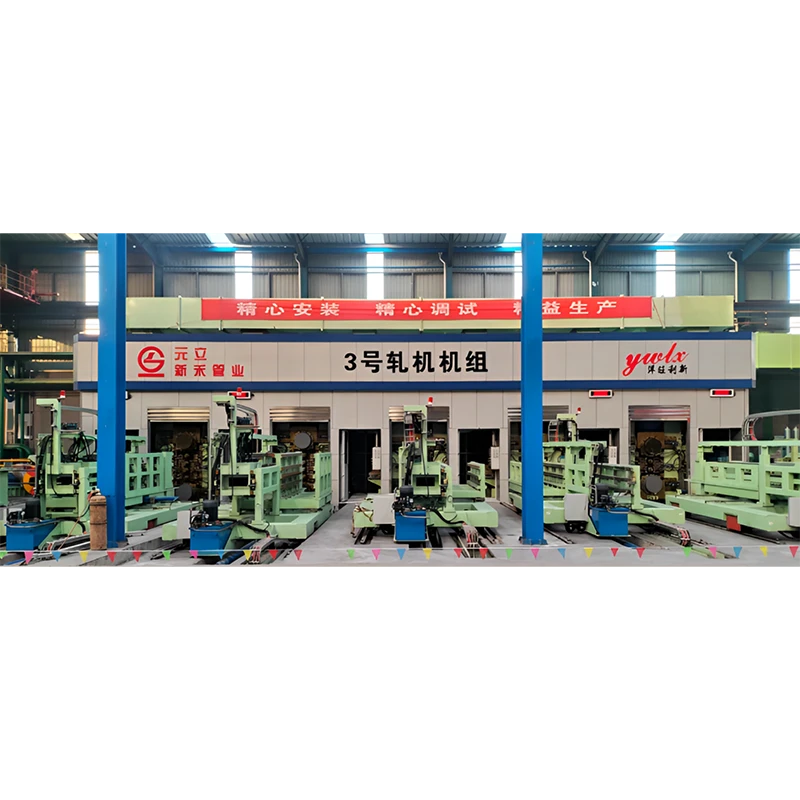
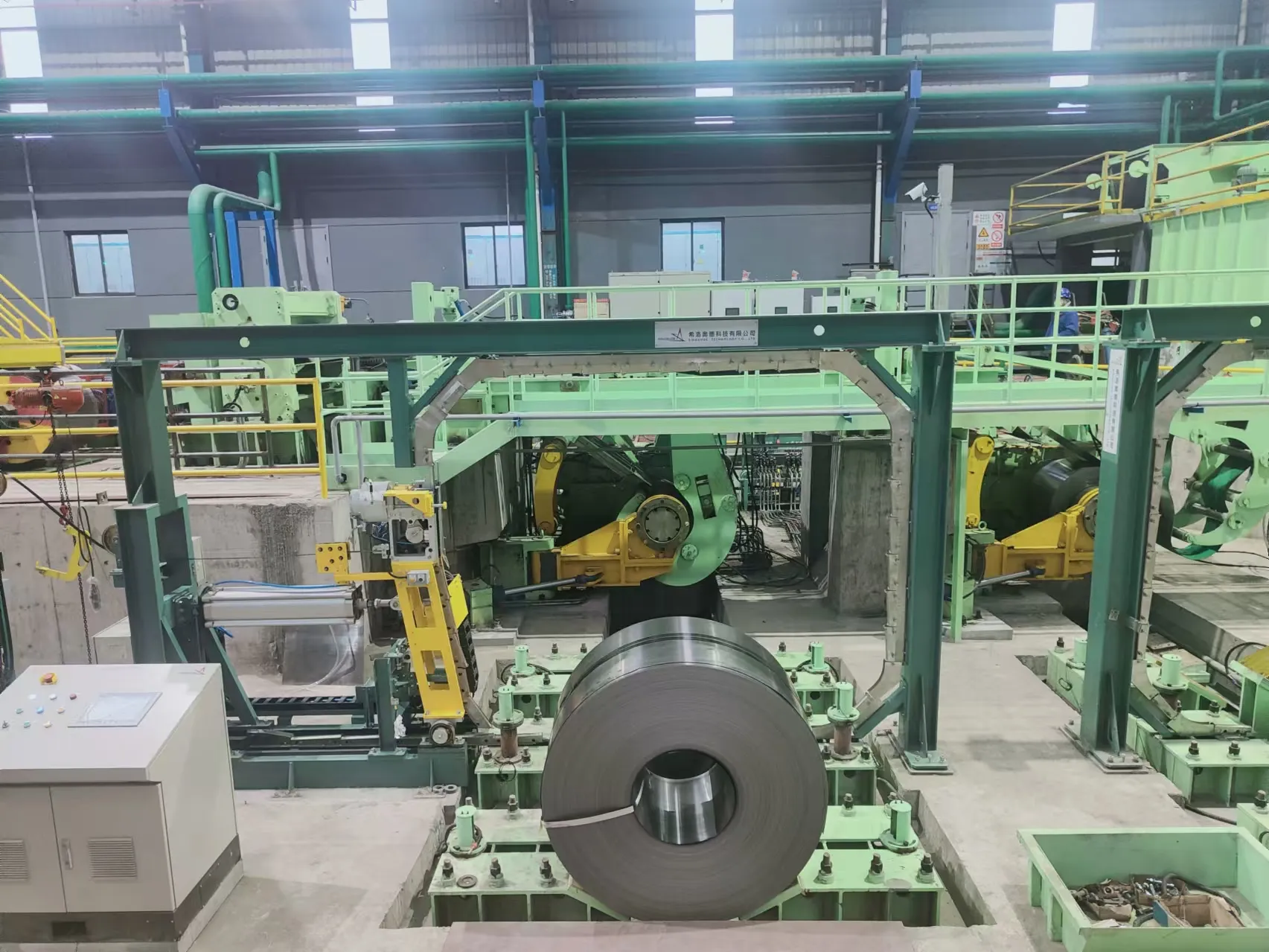
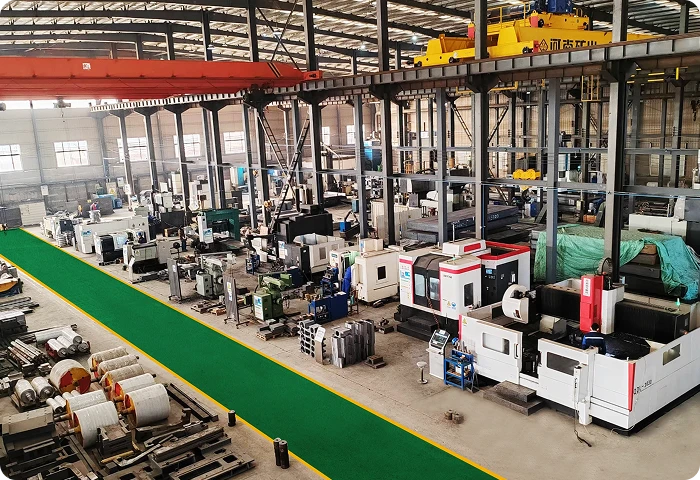
Yang Wang Li Xin operates a state-of-the-art facility over 66,000 square meters,and our manufacturing facility is fully equipped with high-tech machinery and high-capacity cranes. This enables us to handle large work pieces measuring 4.5m in width, 10m in length, and 1.5m in height, guaranteeing our capacity to produce 1800mm skin-pass mills and 1450mm rolling mills. The individual piece can weigh up to 100 tons.

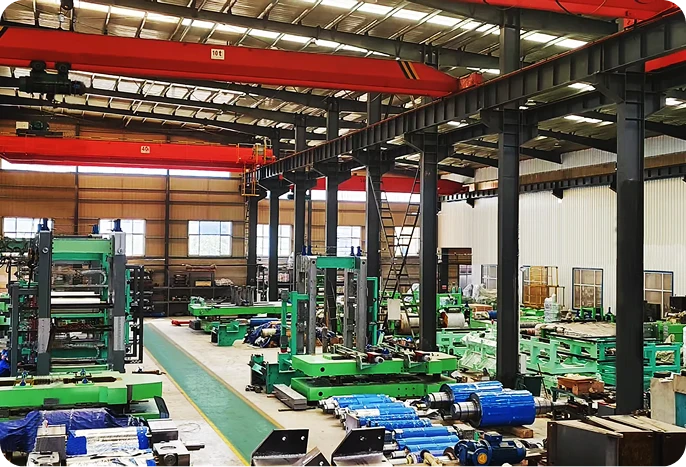

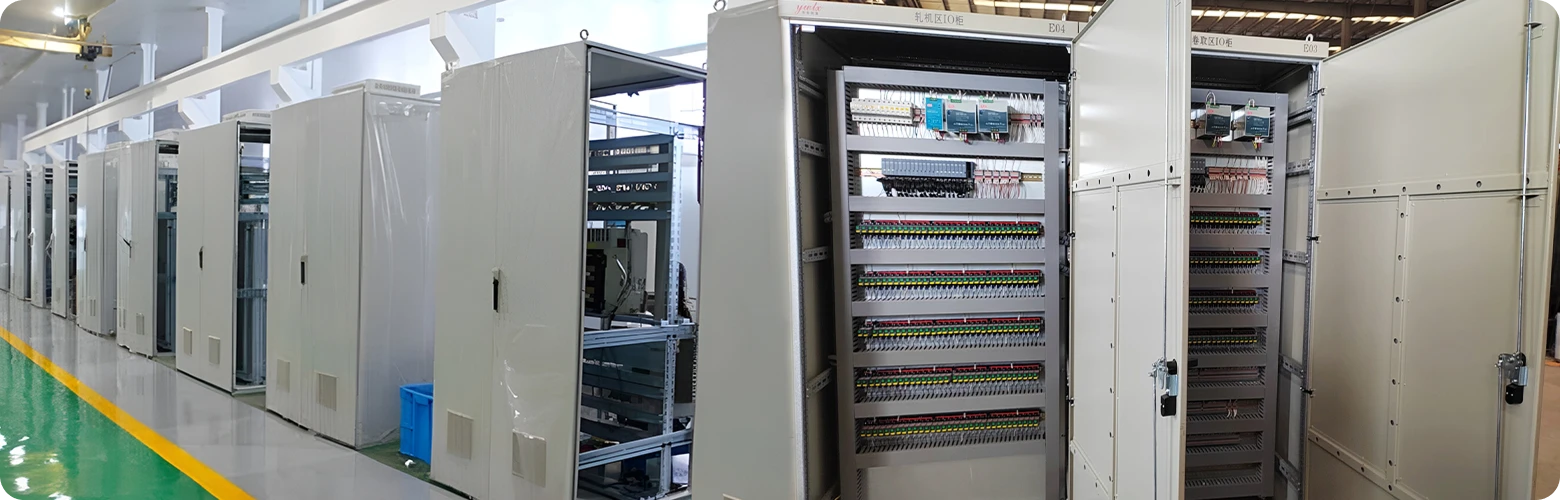
Quality is fundamental to the enterprise survival. We have established a comprehensive and meticulous quality management system and have successfully obtained ISO14000 certification. Starting from the design source, it supervises the entire production cycle, including design, procurement, processing, assembly, in-factory testing, installation, and online commissioning. The workshop is equipped with measuring tools like vernier calipers, spectrometers, hardness testers, and ultrasonic flaw detectors. They are used to check materials and control tolerances to ensure the final equipment meets or exceeds requirements. All products have a unique code, This enables the easy identification and traceability of the equipment components and ensures full control of quality.


-
 Reversible Rolling Mill | High-Precision, Efficient, Flexiblereversible rolling mill,hot strip steel mill,cold rolling mill is a key solution in the manufacturing industry, specifically within Metallurgical equipment manufacturing and Manufacturing of steel rolling equipment. This article explores how Beijing Yang Wang Li Xin Sci&Tech Co.,Ltd. supports professionals with durable, high-performance products, and explains why this product is an ideal choice fo
 -
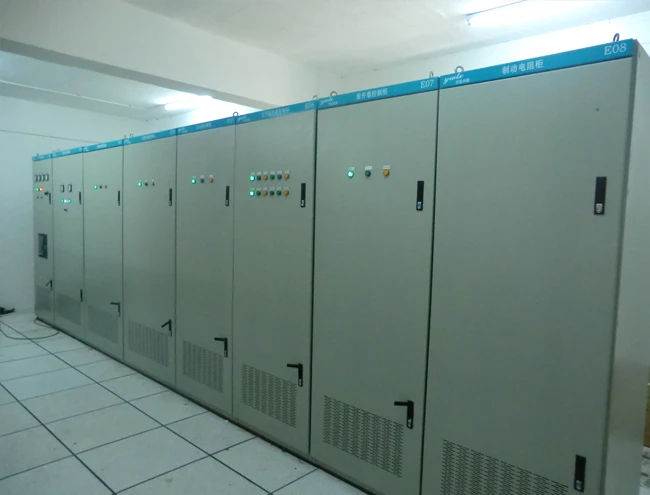 線材ミルExploring the world of wire mills unveils a fascinating intersection of engineering, innovation, and efficiency. Wire mills, also known as wire rod mills, play a fundamental role in manufacturing a broad spectrum of products that impact daily life, from automotive parts to construction reinforcements. As a product-focused article, delving into the intricacies of wire mills provides a detailed pers
 -
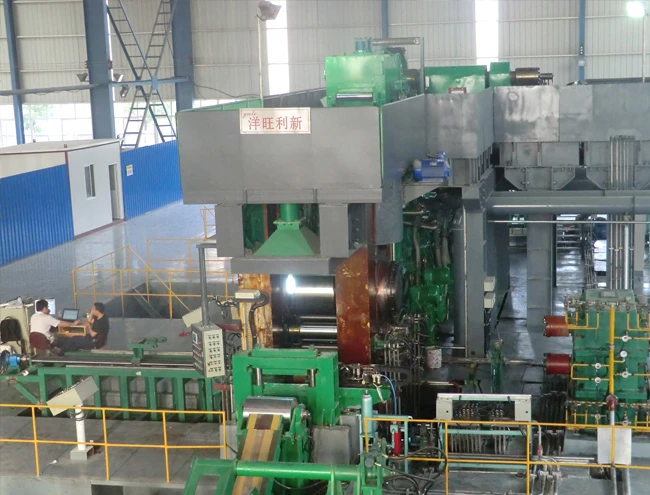 Cladding Rolling Mill - YWLX | Energy Efficiency, PrecisionIntroduction The Cladding Rolling Mill developed by Beijing Yang Wang Li Xin Sci&Tech Co.,Ltd. (YWLX) represents a significant advancement in metallurgical technology. This innovative system addresses critical challenges in traditional cladding processes, offering improved surface quality, energy efficiency, and cost-effectiveness. As industries increasingly prioritize sustainability and precision


